Physicochemical testing
Control of water and finished-product composition against established physicochemical and organoleptic indicators.
Modern production of drinking water, natural juices, carbonated drinks and baby food. Equipment from the world's leading manufacturers, multi-stage quality control and more than 50 international certificates.
The JSC Obi Zulol plant in Istaravshan is the heart of the company's production chain. Here, at a depth of 180–220 metres, lies a natural aquifer that provides an uninterrupted source of the purest water.
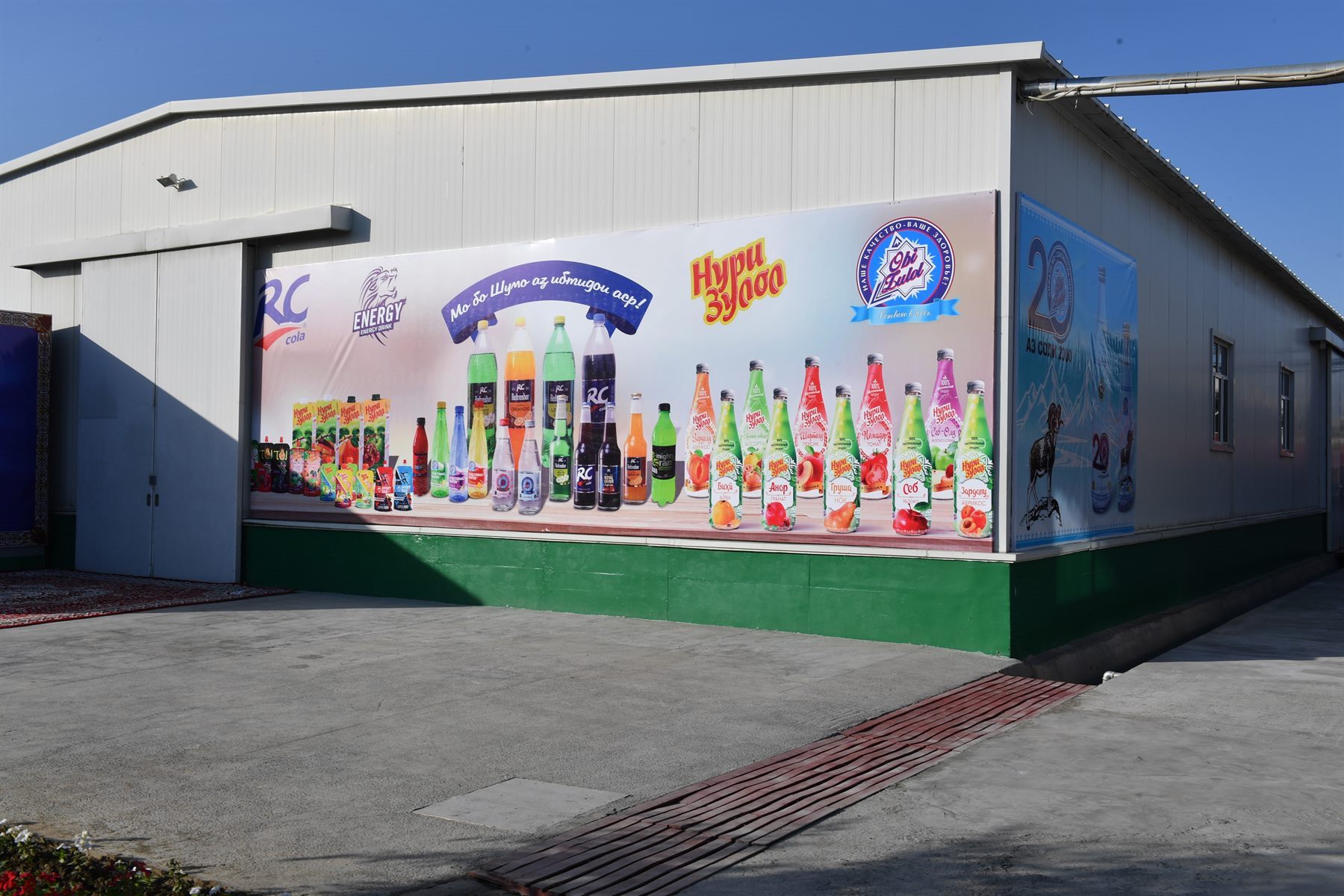
Since 2000 the plant has grown from its first drinking-water bottling line into a full-scale production complex, making a range of products under four of the country's leading brands.
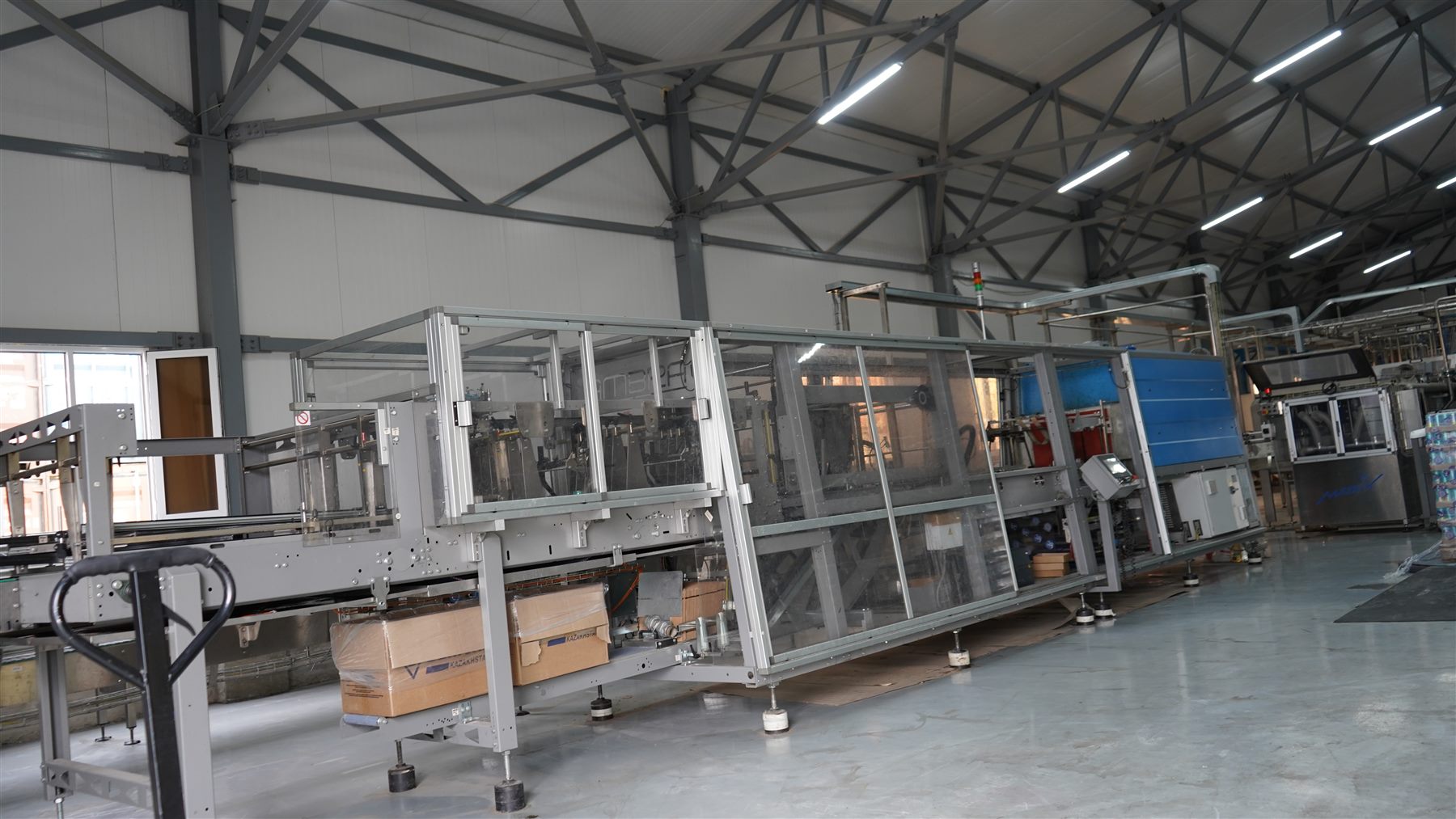
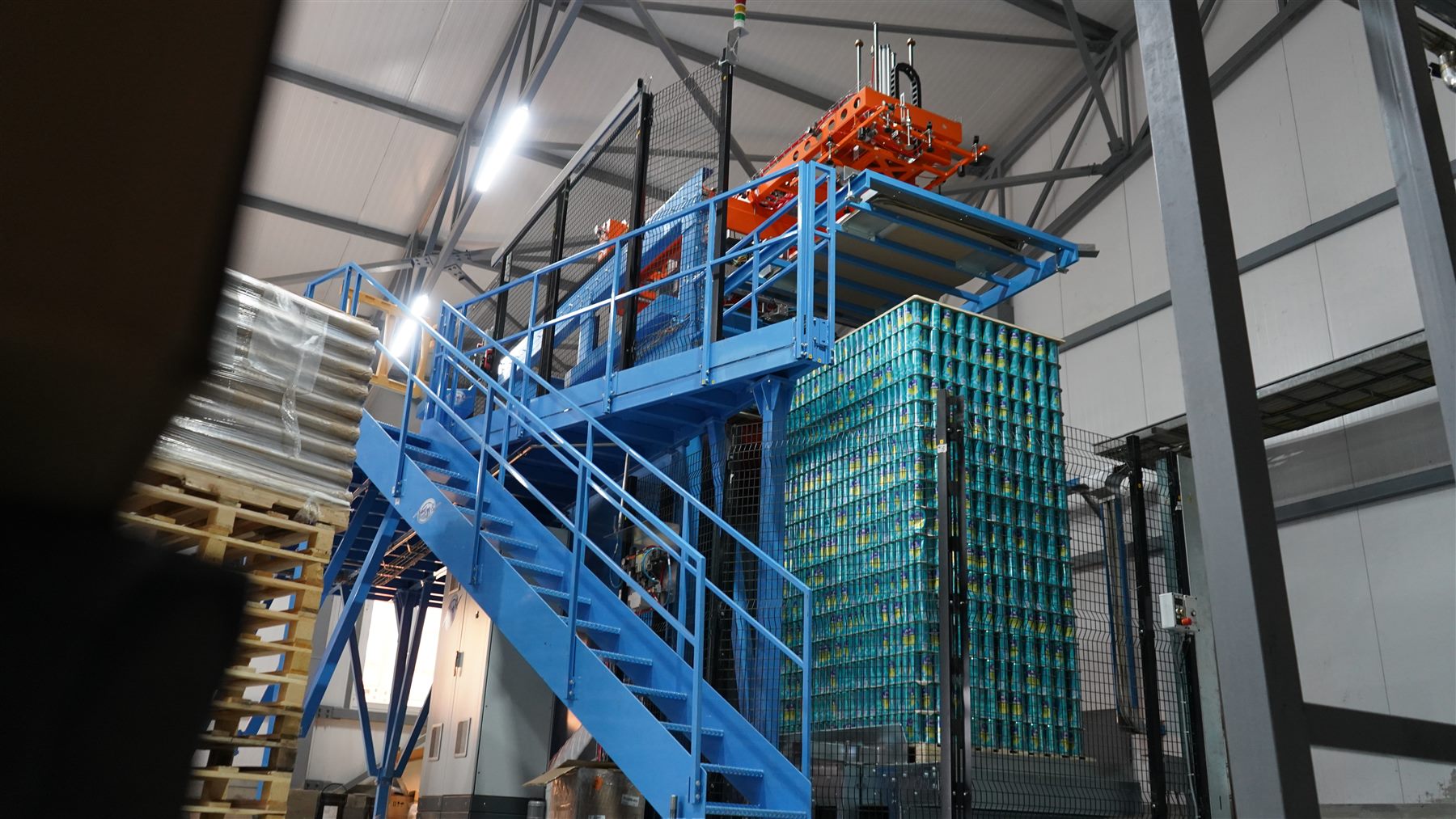
Today the plant is equipped by Sidel, Matrix and Tetra Pak — world leaders in their fields. The entire production process meets international standards of food quality and safety.
Six stages of production, each controlled to international standards — from the natural spring to the finished product on the shelf.
Three artesian wells 180–220 metres deep in the ecologically clean mountain district of Istaravshan. The water's natural mineralisation meets world standards for premium drinking water.
Seven successive purification stages: mechanical filtration, ultra-fine filtration, carbon adsorption, ultraviolet disinfection and ozonation. The final product meets EU and US requirements.
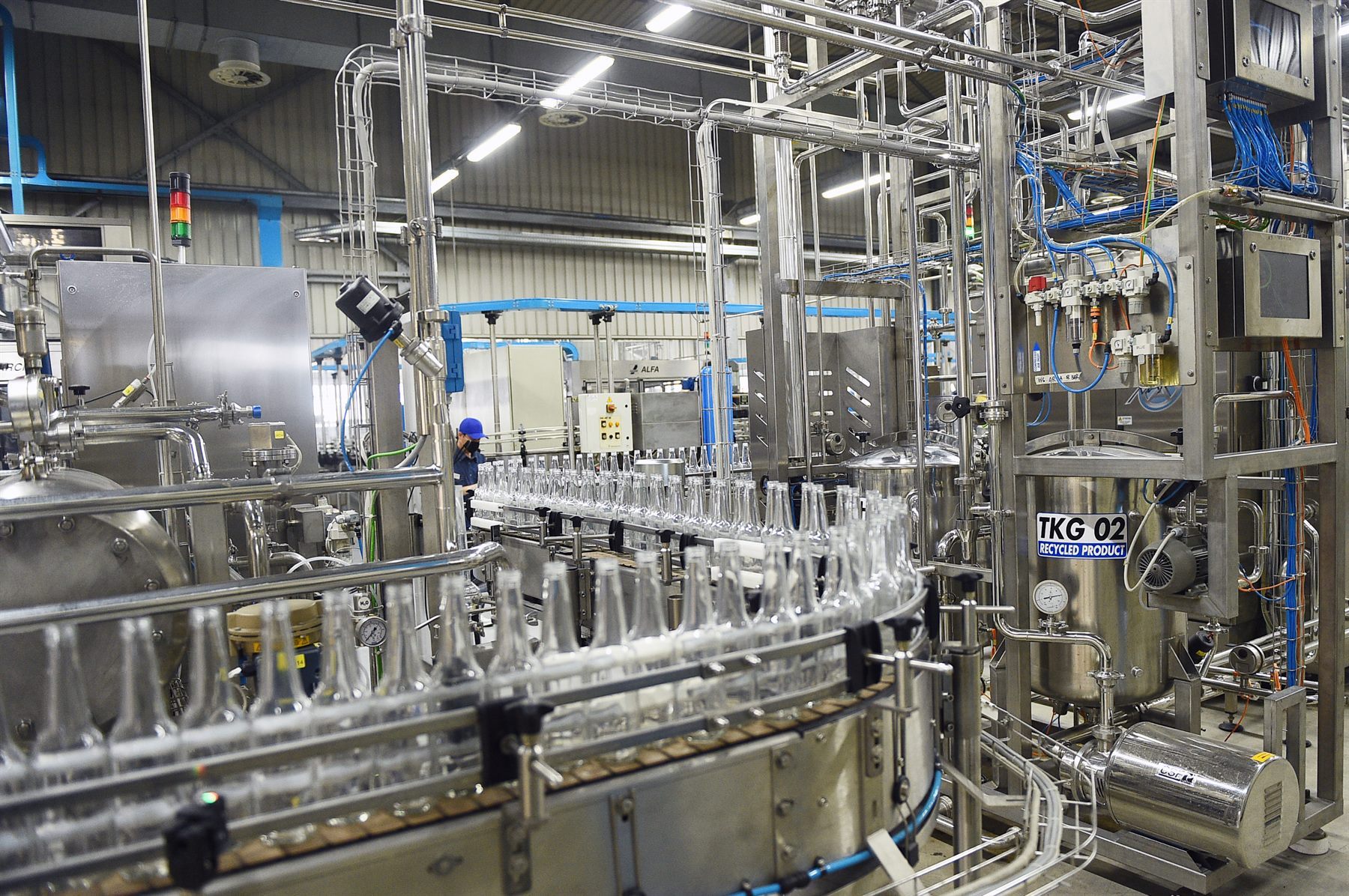
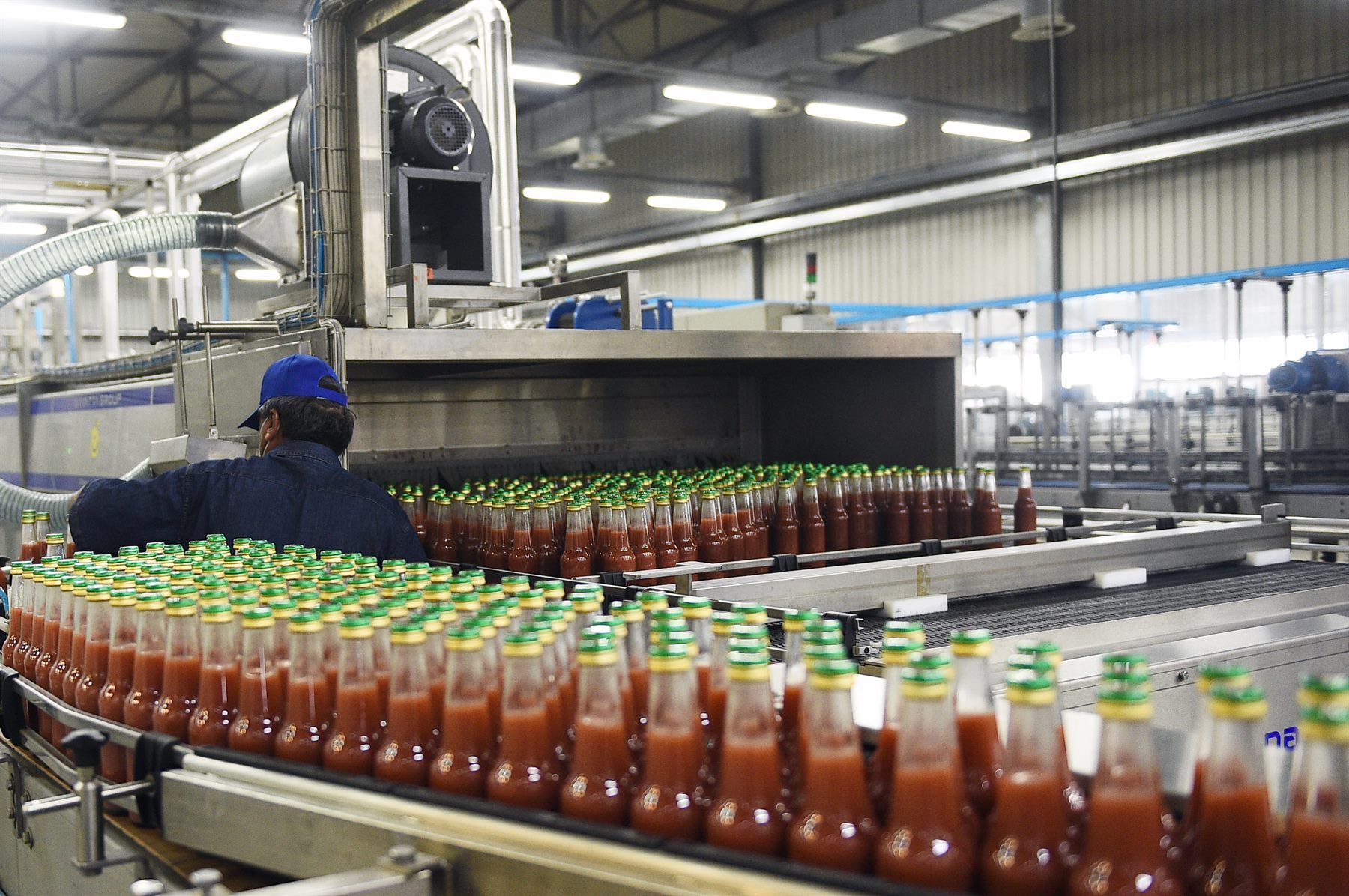
Automated bottling lines from the world leader Sidel deliver high throughput while strictly observing hygiene standards. Filling into PET containers of various sizes — from 0.25 L to 2 L.
Aseptic filling and packaging of juices, nectars and baby food in the Tetra Pak Prisma format. The technology preserves taste, vitamins and the natural properties of the product without preservatives for up to 12 months.
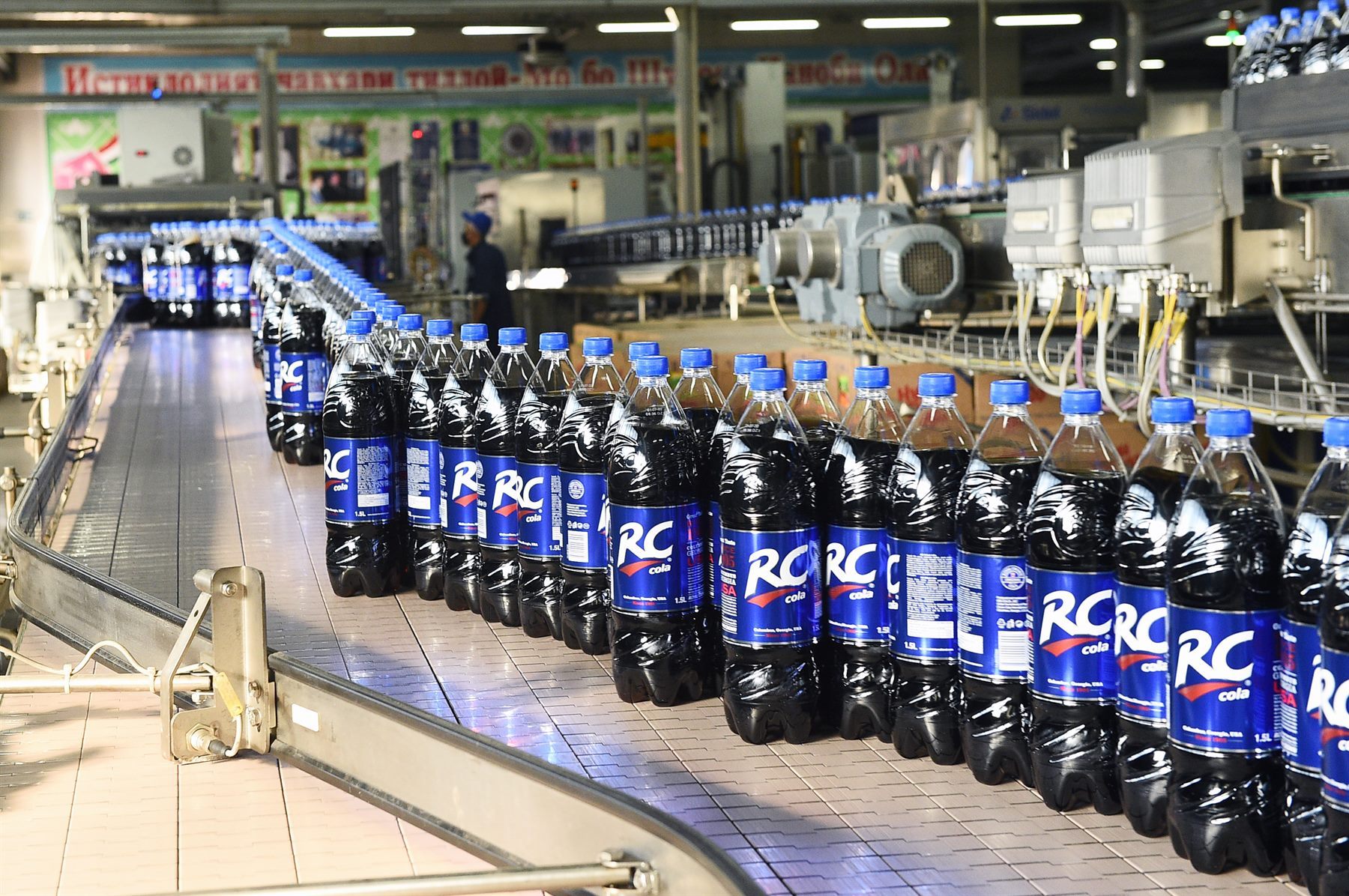
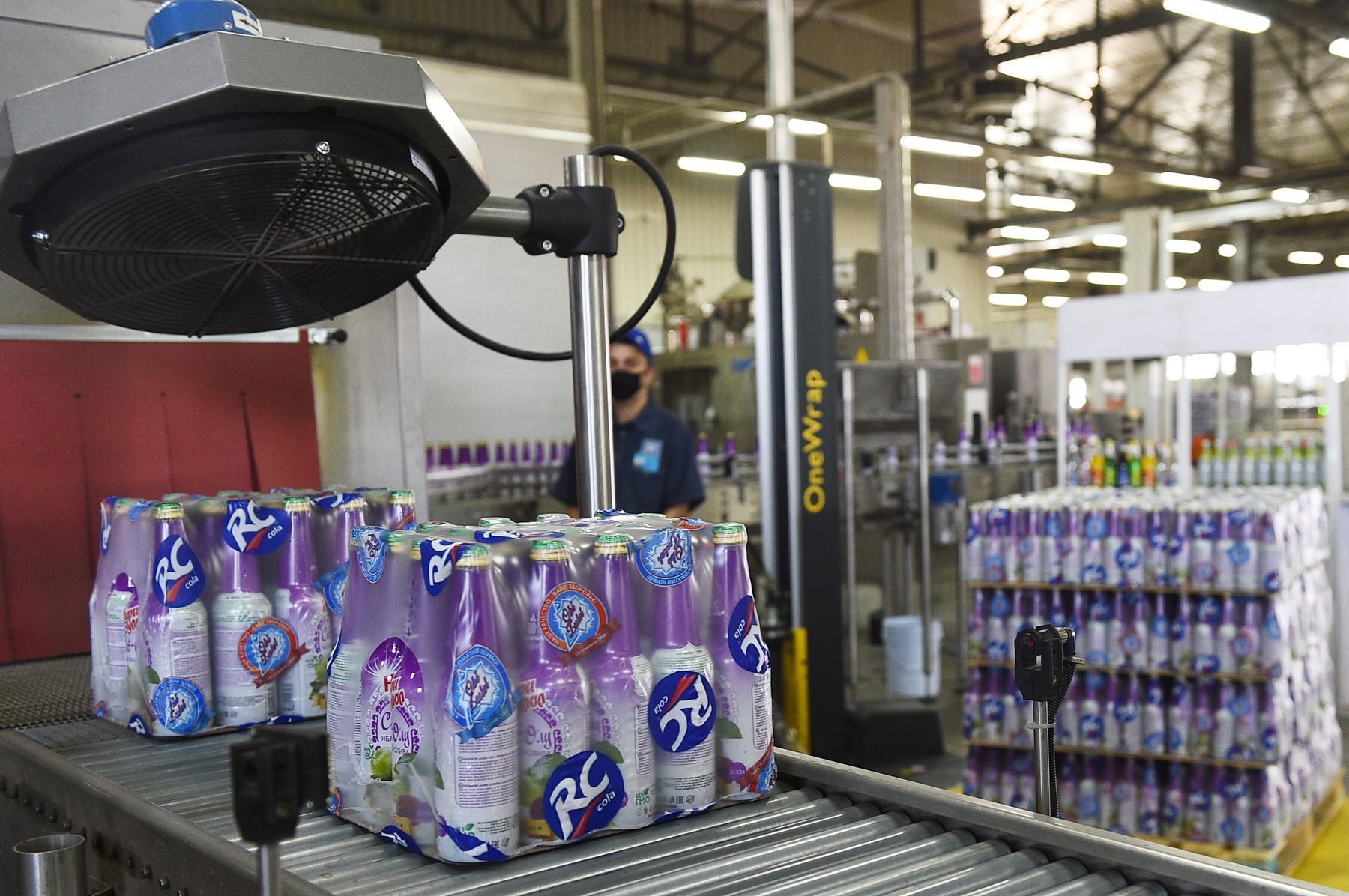
Licensed production of RC Cola to RC Cola International standards since 2000. Strict adherence to the original formula and to ingredient quality requirements, confirmed by annual audits.
An accredited production laboratory monitors every stage: from analysing incoming water to checking the finished product. More than 50 quality parameters are tested daily.
Natural water enters from a protected underground source up to 220 metres deep through a closed production system.
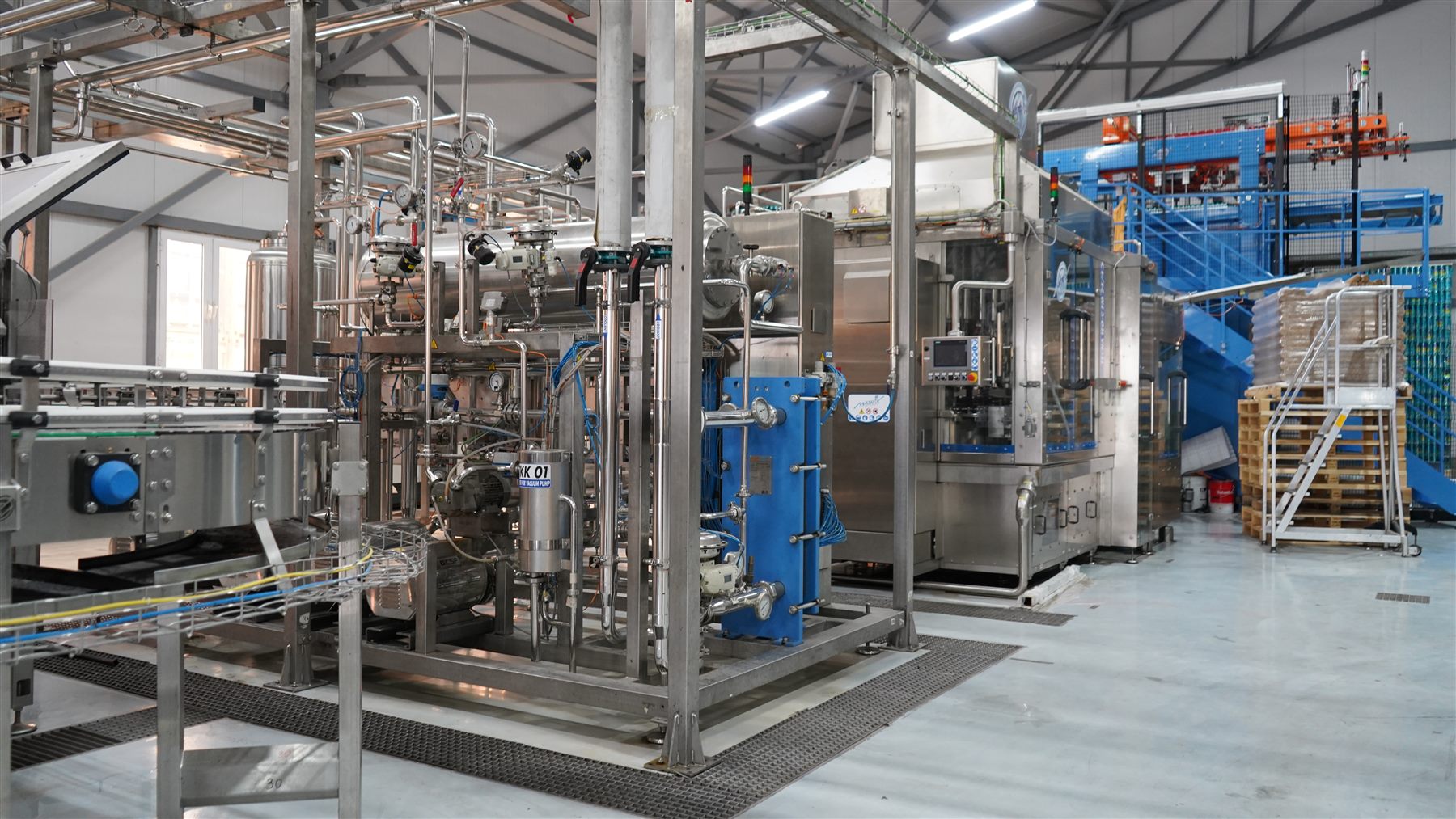
Water undergoes multi-stage preparation and filtration in accordance with established quality requirements.
Laboratory specialists monitor organoleptic, physicochemical and microbiological indicators of the products.
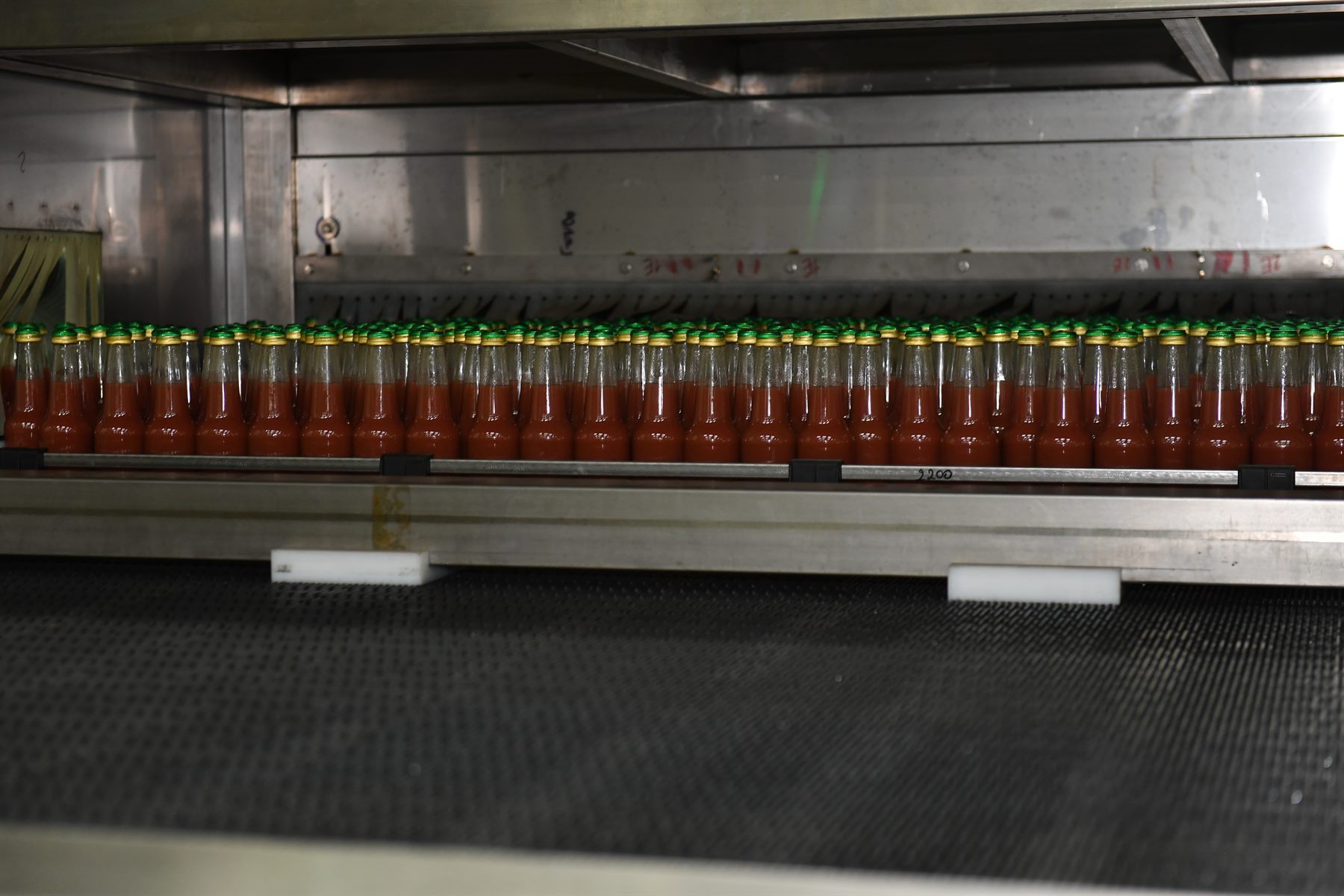
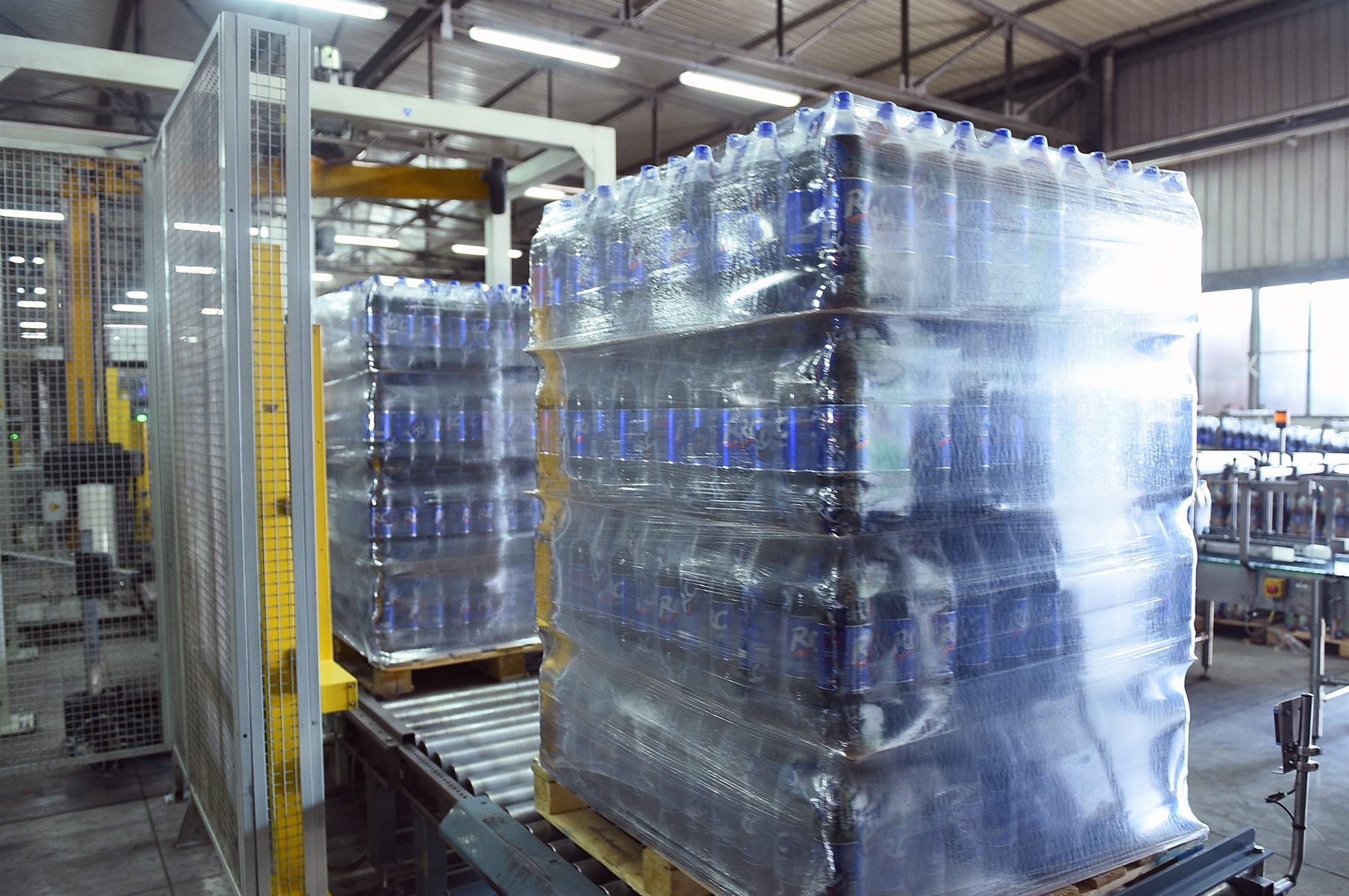
Products are filled on automated lines into PET and glass bottles, aluminium cans, carton and flexible packaging, then sealed, labelled and packed.
Finished products undergo quality, packaging and labelling checks before being stored and sent to consumers.
We work exclusively with world leaders in production equipment and technology — the guarantee of consistent quality since 2000.
Sidel is a world leader in developing and manufacturing equipment for filling beverages into PET and glass containers. The Sidel lines installed at our plant deliver high filling speed, consistent capping quality and minimal resource consumption.
Tetra Pak is the global standard in aseptic packaging for juices, nectars, dairy products and baby food. The technology keeps the product safe without preservatives, retaining vitamins and taste for up to 12 months at room temperature.
Matrix automation systems govern production processes across every part of the plant. A single SCADA system makes it possible to track line parameters, resource consumption and quality indicators in real time.
OTK Group supplies branded labels for JSC Obi Zulol products — for all of the company's brand ranges, ensuring precise compliance with corporate design and labeling requirements.
The plant’s own laboratory controls product quality and safety at key stages of the production cycle — from research into source water and monitoring technological processes to checking finished products.
Control of water and finished-product composition against established physicochemical and organoleptic indicators.
Regular testing of water, the production environment and finished products for sanitary compliance.
Product quality is additionally confirmed by tests in independent accredited laboratories.
Automated systems record key production parameters in real time.