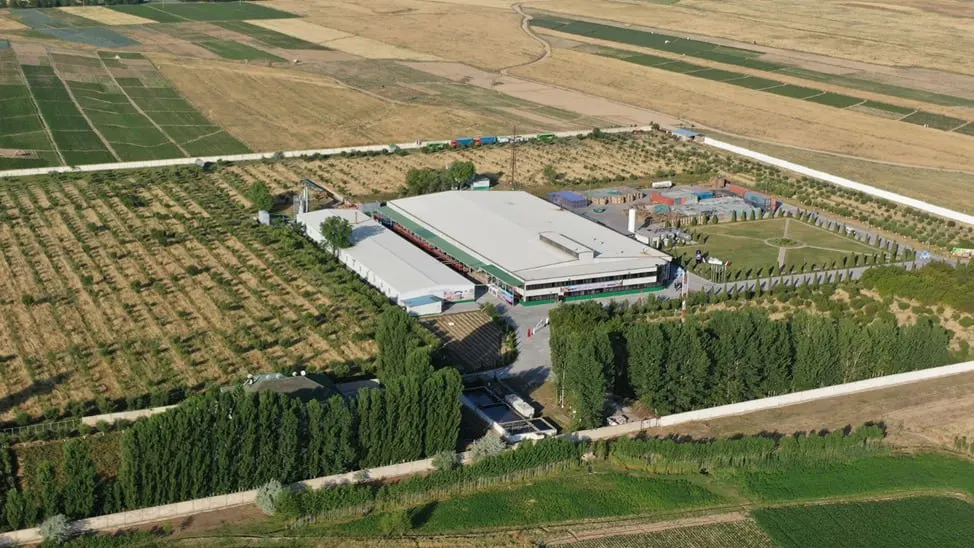
Since it was founded almost 25 years ago, Obi Zulol has travelled a long road from a modest plant to the leader of the country's food industry.
First steps: international partnership in difficult conditions
The project to create Obi Zulol and build a beverage plant in Tajikistan, led by Rustam Boltaev, became a striking example of successfully attracting international investment and partnership in difficult economic and political conditions. In the 1990s Tajikistan was living through a post-conflict period, which made for a challenging investment climate — yet the project's initiators believed in the country's potential and, from 1993, searched for a strategic partner.
Using hydrogeological and aerospace survey data to find a suitable water source led them to a high-quality spring capable of competing with well-known global brands. Test results from Czech and Italian laboratories confirmed the water's exceptional quality, and the Hukumat of the city of Istaravshan allocated land for the plant.
Bringing in international partners
From 1993, work was under way to formalise Tajikistan's membership of the European Bank for Reconstruction and Development (EBRD). In 1998 Obi Zulol signed an agreement with the EBRD and the American fund Aqua Crystal, established with the participation of the US government fund OPIC and Texas Pacific Group. This was the EBRD's pilot project in the real sector of the Tajik economy, with the bank acting simultaneously as lender and shareholder — a unique case for the country.
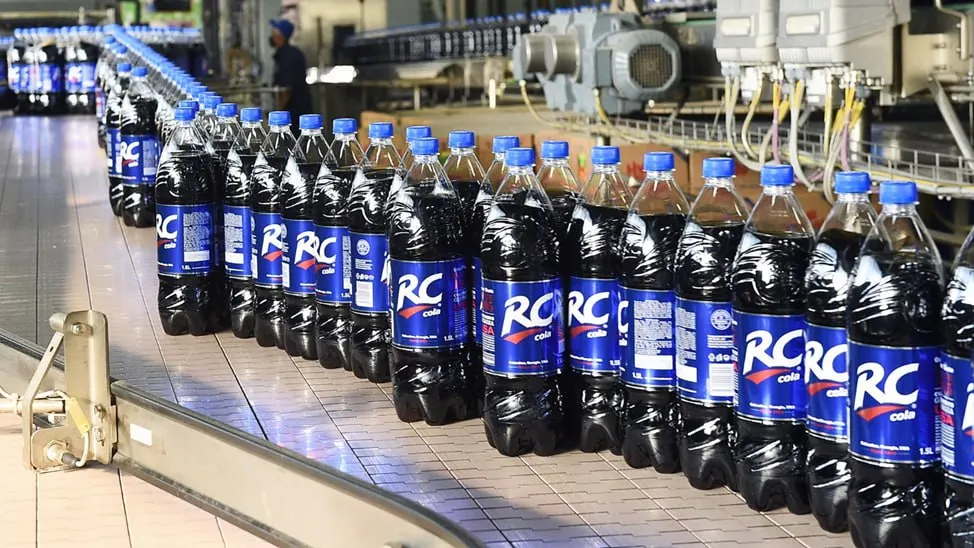
From 1995, Obi Zulol's strategic partner was the American company RCCI, which concluded bottling and franchising agreements for the production and sale of drinks under the Royal Crown Cola (RC Cola) brand across Central Asia. The American laboratory Montgomery Watson Laboratories (California) confirmed that the water meets EU and US standards and is recognised as safe even for infants. The plant's technical design was developed by the Italian company SASIB Beverage MS Spa, the general contractor for turnkey construction, later absorbed by France's SIDEL — today a world leader in equipment for bottling and packaging food products.
The opening of the plant
The plant opened on 12 September 2000 in the presence of the President of Tajikistan, Emomali Rahmon — an event that underlined the project's importance to the national economy and its international standing. At the outset the company occupied its own production site with limited production capacity, and its aim was to meet the growing demand for high-quality soft drinks.
Scaling up and expanding production
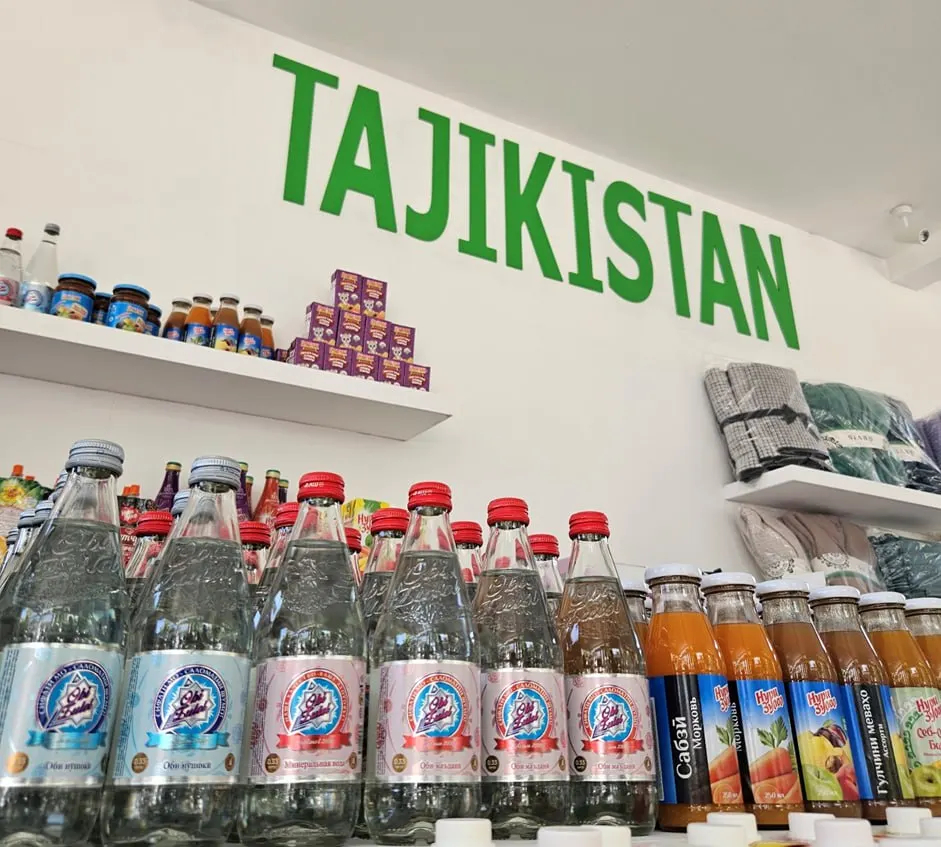
JSC Obi Zulol supplies the country's population with products that meet world standards of quality and healthy eating, made from ecologically clean Tajik fruit, grapes and vegetables processed into purées, juices and smoothies in every kind of packaging — glass bottles, Tetra Pak and flexible packs. This is what makes the company's products competitive on domestic and foreign markets, with exports to Russia, Kazakhstan and China.
The company's equipment, including its subsidiary in Dushanbe, comprises multi-line, complete production facilities that turn out a wide range of finished products in a variety of packaging and containers: glass bottles and jars, aluminium cans, multi-layer Tetra Pak cartons, flexible pouch packaging and PET bottles. In total, the company, its branches and subsidiaries employ a sizeable workforce.
In conclusion
Obi Zulol's journey from a small plant to a flagship of Tajikistan's food industry is a story of success built on hard work, innovation and social responsibility. Over 25 years the company has not only won the market but has also built a strong bond with its consumers and partners.
The company's future looks promising, and its story continues to inspire new entrepreneurs who aspire to follow its example.